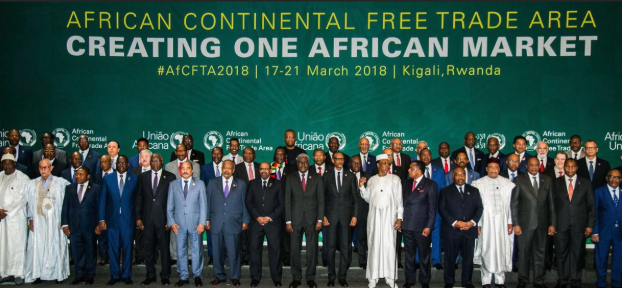
The African Continent is at a critical moment in its evolution toward economic independence. A continent with a population of more than 1.4 billion and growing importance in the global market, Africa possesses strong capabilities for sustainable economic growth, innovation, and transformation. Unfortunately, the continent continues to face one major challenge that obstructs the whole continent: “fragmented market structure ”. Although progress is consistently applied through regional economic communities, intra-African trade remains limited compared to other regions of the world that engage in inter-regional trade,https://au.int/en/african-continental-free-trade-area.
Due to this phenomenon, the African Continental Free Trade Area (AfCFTA) offers an alternative, but the success of its implementation depends on the shared vision of a single continental market, an approach that African policymakers, investors, and stakeholders need to embrace with urgency.
Factors Hindering Investment and Growth
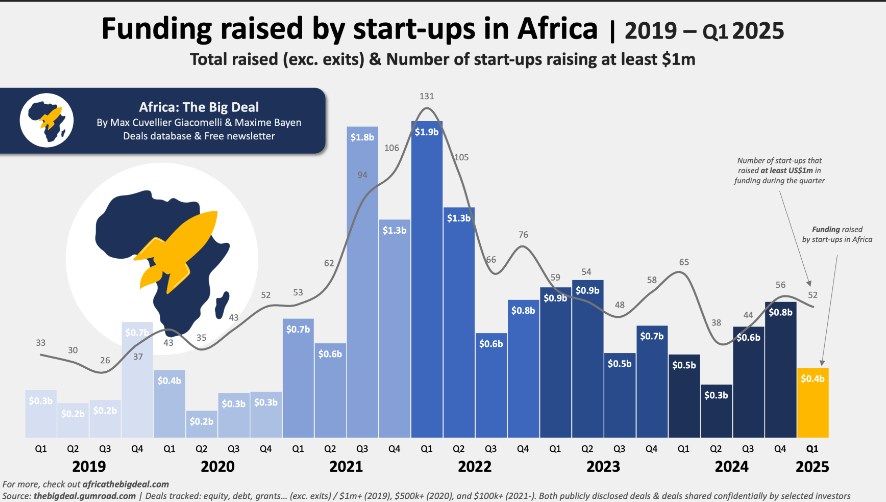
The trade landscape of Africa remains fragmented and outward-focused. https://african.business/2025/10/innov-africa-deals/navigating-africas-investment-landscape-in-2025-26-key-insights-from-rmbs-reportThe continent accounted for approximately 2.8% of total world trade, while intra-African trade constituted about 4.4% of the continent’s trade flows. Compared with European and Asian counterparts in the same year, which exceeded 60% and 30%, respectively, this figure demonstrates the scale of regional integration that the African continent should aim for.
The aforementioned market fragmentation has significant consequences. Firstly, high trade barriers among African countries can impose costs that undermine and discourage competitiveness. Secondly, if the production structure continues to focus on raw materials for export, this approach may limit participation in regional value chains. Regulatory uncertainty and inconsistent market standards could discourage long-term commitments and an investor’s sustainability approach.
Unlike the European Union (EU) single market, which has demonstrated the importance of integrating regulations, eliminating tariffs, and unifying infrastructure, the EU approach is enhancing scalability, attracting investment, and fostering an environment conducive to economic flexibility across member states.
Promises and Progress From AfCFTA
AfCFTA was formally launched in 2021, with the main objective of encouraging intra-African trade, making it the most ambitious trade integration effort in Africa’s history. As of now, the AfCFTA protocol has encouraged most member states to ratify their trade agreements to enhance intra-African trade under flexible terms.
The AfCFTA protocol seeks to enhance a flexible trade ecosystem by eliminating tariffs on 90% of goods traded through the intra-African channel. Also, reduce non-tariff barriers arising from customs delays and inefficiencies. More importantly, they advocate for a structure to facilitate trade in services and investment protocols.
Although implementing the aforementioned strategies is complex, there are clear early positive impacts. By 2024, intra-African trade reached approximately $220 billion, a 12.4% year-over-year increase, but this figure represents a much smaller share of total exports than in other regions.
The Economic and Development Imperatives of a Single Market
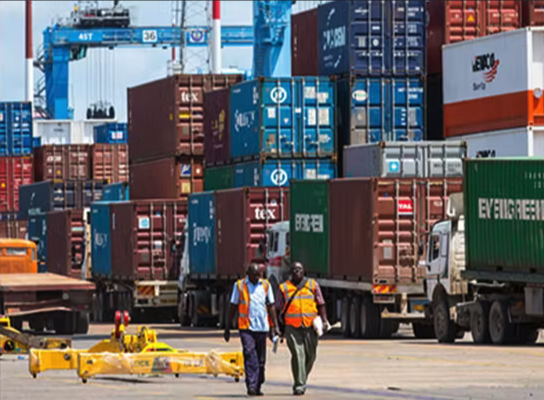
The most compelling arguments for a single market within Africa center on the fact that it accelerates investment within and outside the continent. The World Bank projects that the full implementation of the AfCFTA plan, specifically in investment environment policy, competition law, e-commerce, and the protection of intellectual property, could increase the volume of foreign direct investment (FDI) on the African continent by 111% to 159% by 2035,https://www.worldbank.org/en/topic/trade/publication/the-african-continental-free-trade-area.
More importantly, for investors, perceived risk will be reduced under a unified market because such an environment fosters a predictable regulatory environment, a larger market size, and a consolidated trading process.
Subsequently, a merged market with comprehensive yet clear rules will facilitate knowledge transfer, technology, capital, and managerial expertise into key sectors. Such a business ecosystem will enhance local capacity and competitiveness, while strengthening integration into global value chains.
Furthermore, having a unified, long-term investment policy would encourage investors to expand their investment portfolios within the continent, thereby boosting intra-African capital flows, which are currently low, ranging from 5% to 17% of accumulated FDI inflows. A comprehensive single-market framework and greater regional integration can significantly increase trade among African countries. According to the United Nations Economic Commission for Africa (ECA), AfCTA initiatives have the potential to increase intra-African exports by 45% by 2045, adding approximately 276 billion USD in trade value.
Recent figures on intra-continental trade capture only about 15% to 18% of exports within the continent, although the trajectory is upward and still far below the expected level, particularly compared with what we have seen in Europe and Asia. A unified market is paramount for the continent’s development, as this approach will encourage countries to diversify away from reliance on primary commodities and focus on manufacturing and services, thereby leveraging regional supply chains and adding value to exports.
More importantly, the AfCFTA model could reduce poverty, create jobs, and promote inclusive growth, thereby improving living standards. The World Bank analysis estimates that the true implementation may lift over 30 million Africans out of extreme poverty by 2035 and simultaneously increase the incomes of more than tens of millions of people on the continent. The single market will stimulate job creation, as we have said above, by enhancing competitiveness, thereby attracting investment into labour-intensive sectors such as agro-processing, textiles, logistics, and digital services.
Women represent a significant share of informal cross-border traders, and trade liberalisation and market integration sometimes have particular implications for women and youth. With this unified framework, African women stand to gain from improved regulatory frameworks, expanded market access, and targeted training and financial support, https://ghanaiantimes.com.gh/women-youth-need-digital-skills-to-benefit-from-afcfta-telecel-ghana-ceo/ Under AfCFTA-driven growth scenarios, wage projections suggest that women may see a larger relative increase in earnings.
Lessons from the European Union
The success of the single market strategy in the EU provides Africa with a comparative roadmap. It is important to have a legal and institutional framework to reduce friction within the trade ecosystem, and there is an indication from the EU that the economic impact of the free movement of goods and services on investment decisions and the unified effort to contribute to the resolution and dispute settlement in the conflict area are also important factors that enhance the success of a single market.
Adapting these lessons requires a realistic approach and extensive consideration of diversification of governance, infrastructure deficits, and different economic development. However, these factors remain: economic unity fosters trust, reduces transaction costs, and attracts capital.
The Challenges
Although the frameworks and strategies are promising, the shift toward a unified market also brings numerous challenges. Huge infrastructure gaps exist, with estimated annual financial needs for transport, energy, https://au.int/en/pressreleases/20250305/african-union-adopts-statute-establishment-continental-food-safety-agency ,and logistics reaching tens of billions. Inconsistent policies and regulatory discrepancies across countries can be a hurdle that discourages investors. Furthermore, the varied readiness for implementation among member states is also a factor slowing momentum.
To overcome these challenges, we need to work together on policy changes, invest in regional infrastructure, and commit to improving institutions that promote a competitive market and good governance.
Conclusion

It is a strategic imperative for Africa to transform its economy by converting potential into proactive performance. The continent’s policymakers must end the era of talk without action. A unified continental market, achieved through the full and active implementation of the AfCFTA frameworks and policies and the solidification of consensus on trade and investment frameworks, can be a catalyst for growth, resilience, and sustainable development in Africa.
A unified market offers scale, predictability, and enhanced returns for investors, while for African economies, such markets promise diversification in trade, increased employment, and major alliances into global value chains. Drawing on the European Union but constructing its own unique path, the continent can reconstruct the present fragmented economic situation into one of unity and unlock the potential of the world’s most promising economic landscapes.
An action step from the policy makers is paramount, and as the private sector and public sector respond proactively, the continent’s unified market vision could become a defining feature of 21st-century economic integration.